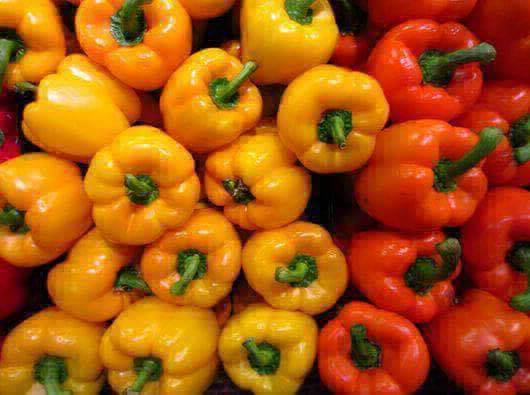
Specifications and details :
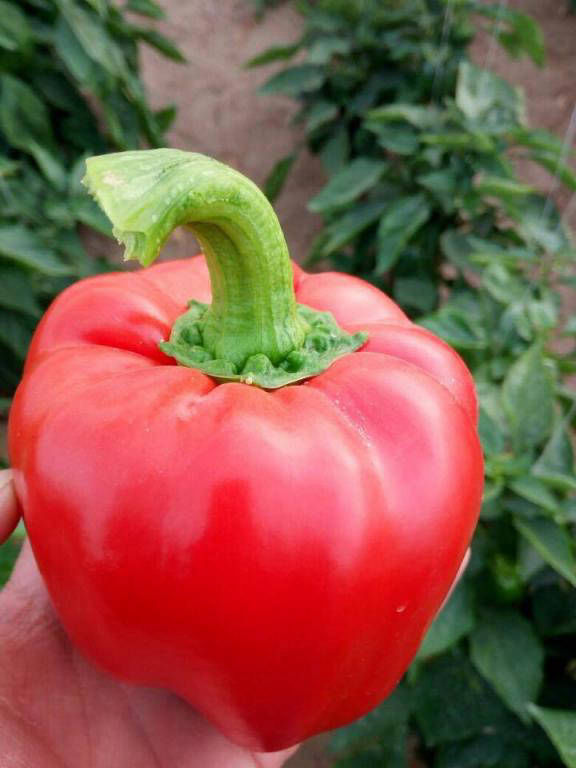
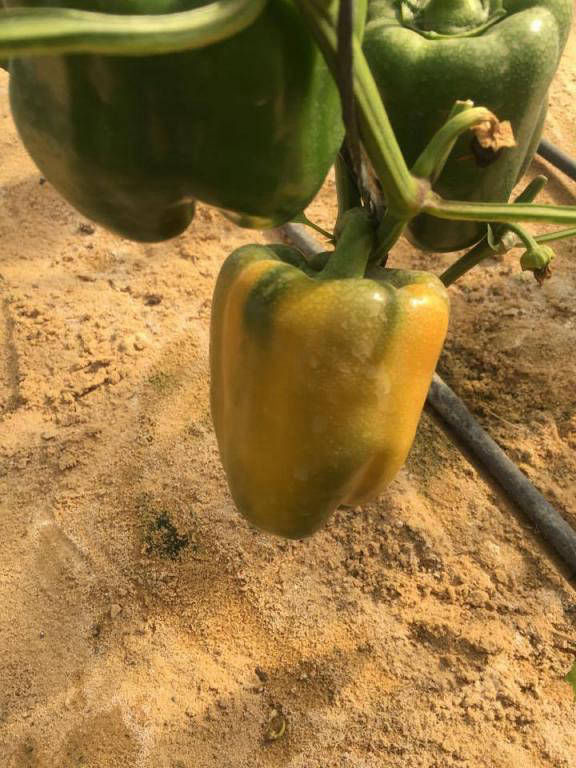
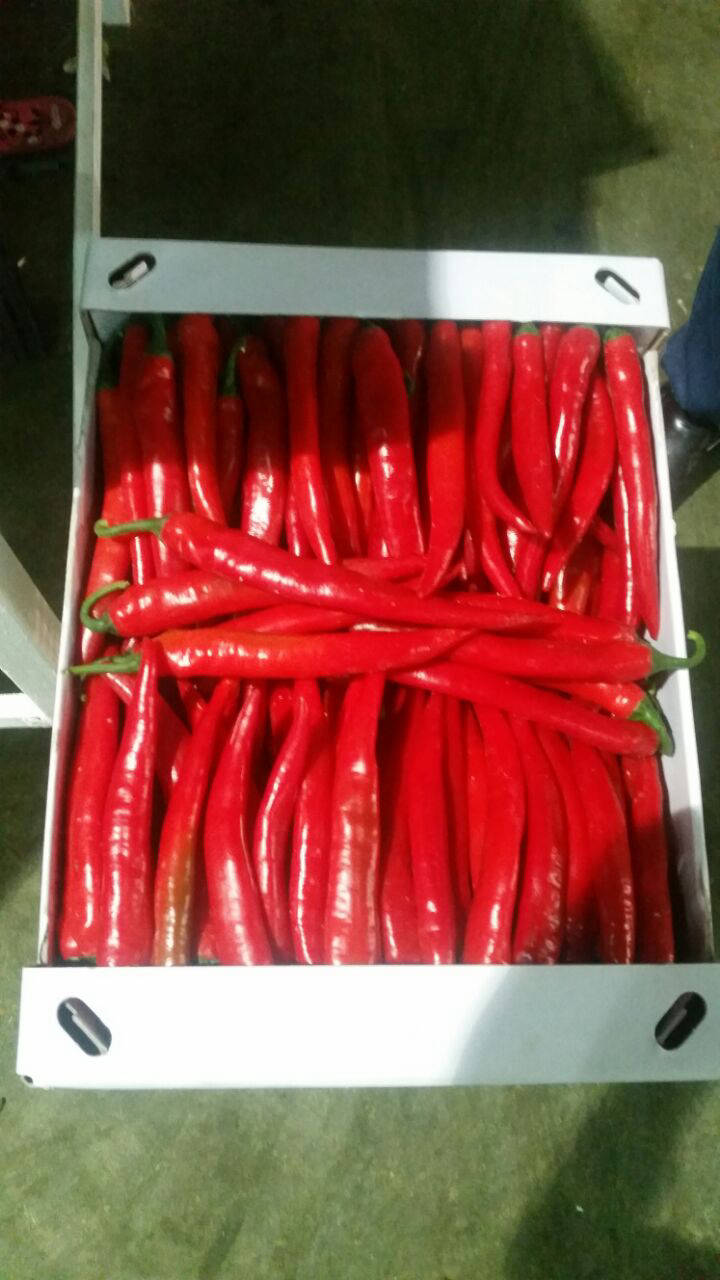
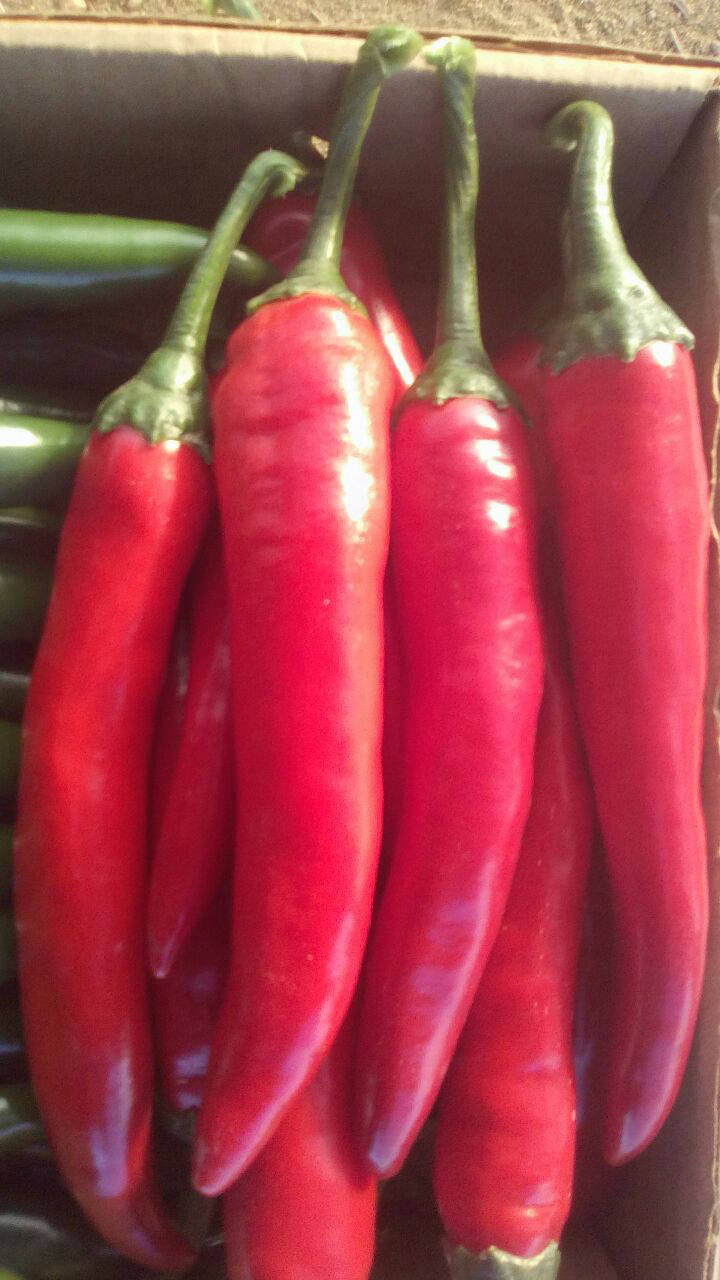
Product Name : pepper .
varity : hot pepper- White pepper - bell pepper .
Packing :Carton -Blastic Box .
size : Hot pepper 10 cm up- bell pepper 3,4 rooms .
container 40 ft : from 12 to 20 ton .
some infomation about pepper for healthline
Nutrition facts
Fresh, raw bell peppers are mainly composed of water (92%). The rest is carbs and small amounts of protein and fat.
The main nutrients in 3.5 ounces (100 grams) of raw, red bell peppers are (1Trusted Source):
Calories: 31
Water: 92%
Protein: 1 gram
Carbs: 6 grams
Sugar: 4.2 grams
Fiber: 2.1 grams
Fat: 0.3 grams
Carbs
Bell peppers are primarily composed of carbs, which account for most of their calorie content — with 3.5 ounces (100 grams) holding 6 grams of carbs.
The carbs are mostly sugars — such as glucose and fructose — which are responsible for the sweet taste of ripe bell peppers.
Bell peppers also contain small amounts of fiber — 2% by fresh weight. Calorie for calorie, they are a very good fiber source (1Trusted Source).
SUMMARY
Bell peppers are mainly made up of water and carbs. Most of the carbs are sugars, such as glucose and fructose. Bell peppers are also a decent source of fiber.
Vitamins and minerals
Bell peppers are loaded with various vitamins and minerals (1Trusted Source):
Vitamin C. One medium-sized red bell pepper provides 169% of the Reference Daily Intake (RDI) for vitamin C, making it one of the richest dietary sources of this essential nutrient.
Vitamin B6. Pyridoxine is the most common type of vitamin B6, which is a family of nutrients important for the formation of red blood cells.
Vitamin K1. A form of vitamin K, also known as phylloquinone, K1 is important for blood clotting and bone health.
Potassium. This essential mineral may improve heart health (2Trusted Source).
Folate. Also known as vitamin B9, folate has a variety of functions in your body. Adequate folate intake is very important during pregnancy (3Trusted Source).
Vitamin E. A powerful antioxidant, vitamin E is essential for healthy nerves and muscles. The best dietary sources of this fat-soluble vitamin are oils, nuts, seeds, and vegetables.
Vitamin A. Red bell peppers are high in pro-vitamin A (beta carotene), which your body converts into vitamin A (4Trusted Source).

Plot 50, Third zone, Sadat City, Egypt
E-mail: info@hitac-co.com
Phone: +2 048 266 255 6